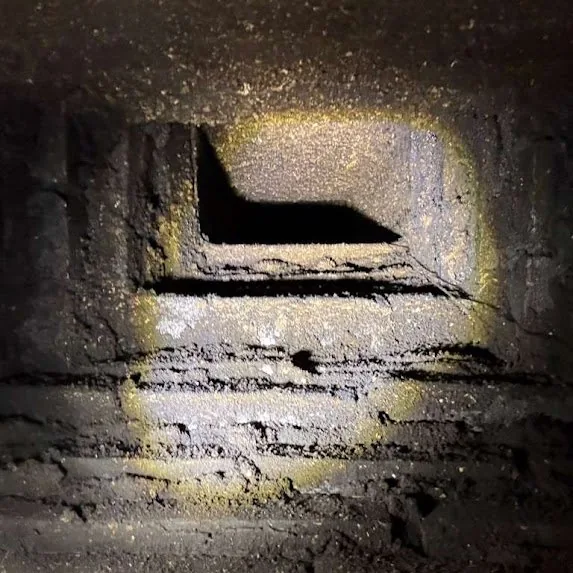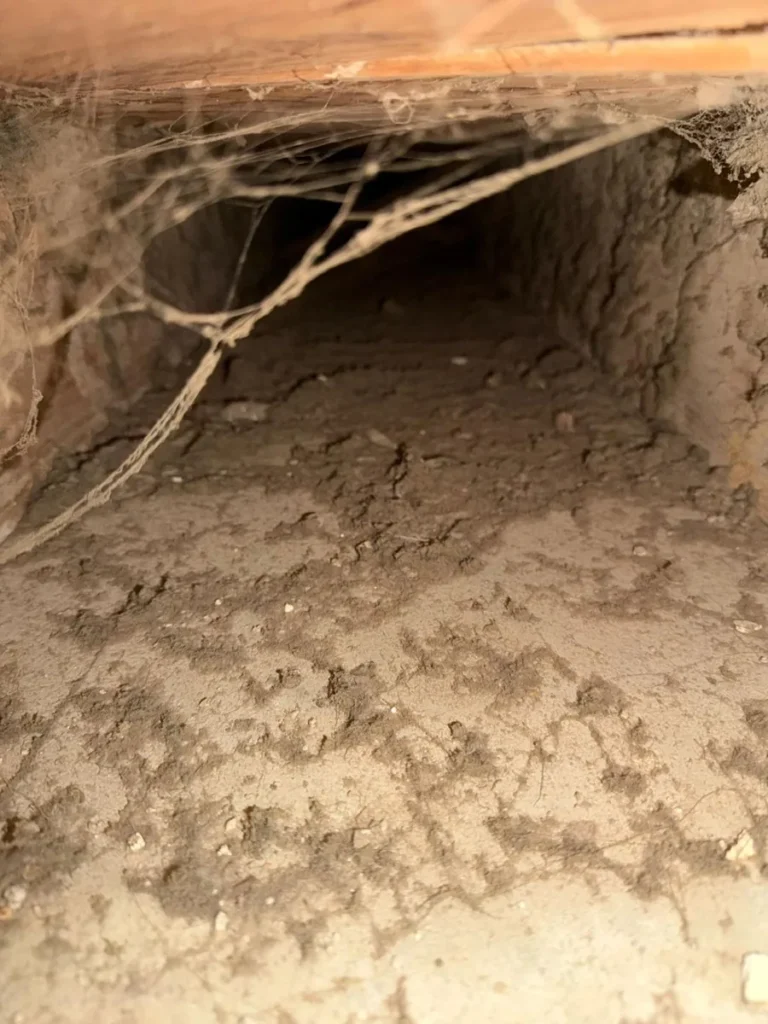
For a short, accessible dryer vent, unplug the dryer, disconnect the exhaust transition duct, remove lint with a suitable brush and vacuum, then check the outside outlet. Reconnect the dryer securely before testing it. Allow about an hour for a simple wall vent. Longer or concealed runs can be harder to clean safely.
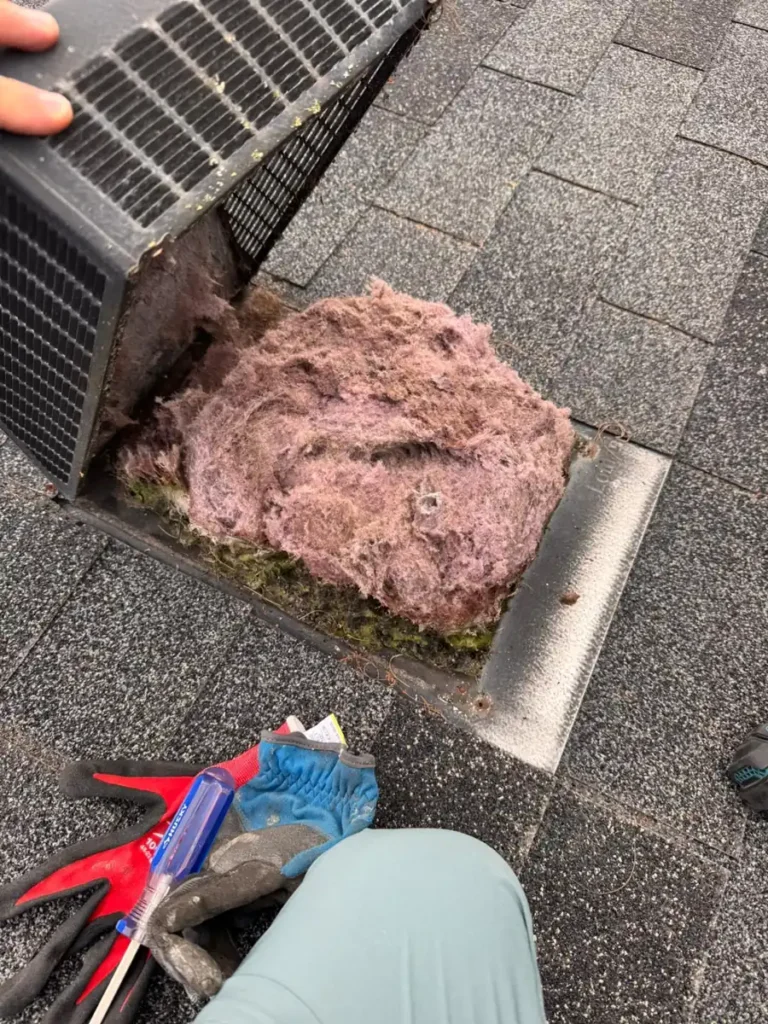
We recommend not attempting a DIY cleaning if the vent exits on a roof, the duct appears damaged or you would need to move a gas line to reach it.
What tools do you need?
- A dryer vent brush kit suited to the duct material
- A vacuum with a hose attachment
- A screwdriver or nut driver for accessible clamps
- Gloves and a cloth for loose lint
Follow the dryer’s instructions and the brush kit’s directions. Do not force a brush into a run you cannot see or safely access.
How do you clean a dryer vent step by step?
- Switch off and unplug the dryer. Let it cool first. For a gas dryer, stop if moving the appliance could strain or disconnect the gas supply.
- Move the dryer carefully. Give yourself enough space to reach the exhaust connection without stretching cords or lines.
- Disconnect the accessible transition duct. Loosen its clamp and inspect the hose for crushing, tears or trapped lint.
- Remove loose lint. Vacuum the dryer’s accessible exhaust opening and the beginning of the wall duct.
- Brush the rigid duct carefully. Use an appropriate cleaning kit in short sections. Stop if the brush catches or you meet strong resistance.
- Clean the lint screen opening. Remove accessible lint without taking apart the dryer cabinet.
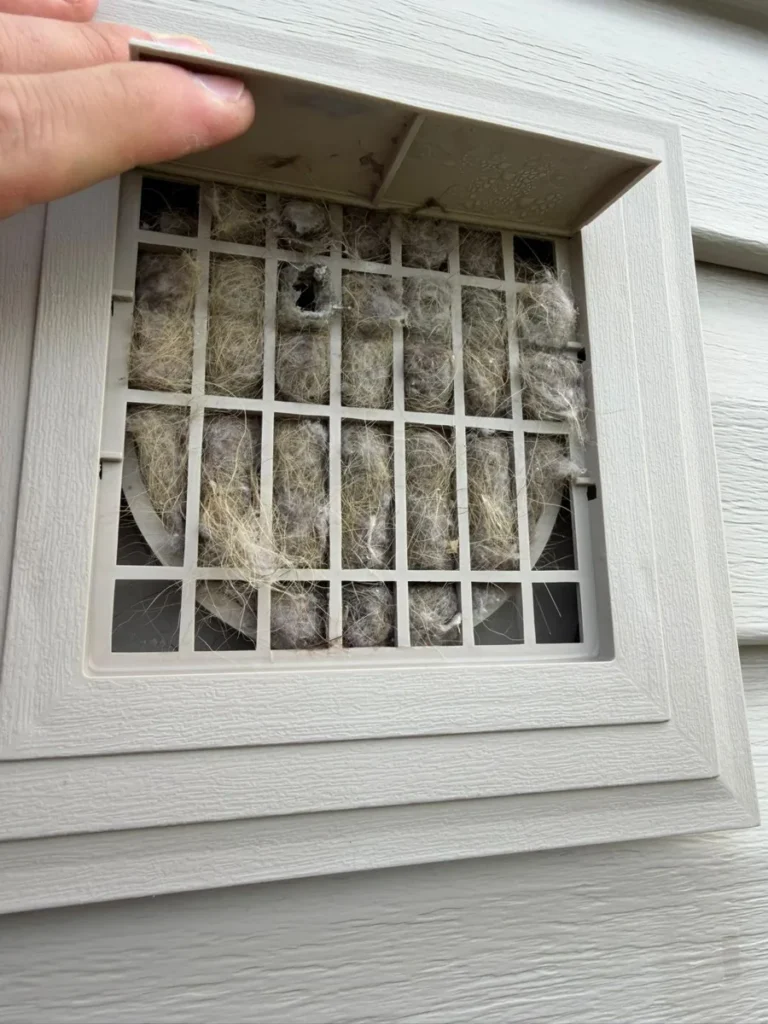
- Check the outdoor outlet. If you can reach it safely from the ground, clear lint at the hood and make sure the flap moves freely.
- Reconnect the transition duct. Secure the connection as the manufacturer directs and make sure the hose is not crushed when the dryer is put back.
- Test the dryer. Check that exhaust air reaches the outside and the vent flap opens. If airflow is still weak, stop using the dryer until the restriction is resolved.
We suggest stopping if the brush catches or the duct appears damaged.
If you smell burning or suspect a gas leak, do not run a test cycle. Stop and seek qualified help.
How do you clean a dryer vent from outside?
Only work from the outside if the hood is safely accessible without a ladder or roof access. Remove loose lint around the outlet and gently clean the reachable section. Don’t push debris back into a blocked duct or force a brush around an unseen bend.
The outside flap should open while the dryer runs and close when it stops. An outlet screen can trap lint. Dryer exhaust terminations should not use screens. If the outlet is blocked or damaged, have the termination corrected rather than adding mesh.
What if the dryer vent is clogged?
If the brush stops, you may have reached a bend, compacted lint or another obstruction. Pull back gently. Forcing a drill-driven rod can damage the duct or leave a brush stuck inside.
Wet lint may indicate trapped moisture. Nest material or an animal in the opening calls for more than routine brushing. Avoid running the dryer while an obstruction remains.
A leaf blower is not a reliable substitute for checking the full duct run. It can drive lint farther into a restriction without showing whether the duct is intact.
When should you call a professional instead?
| Dryer vent setup | DIY or professional? | Why |
|---|---|---|
| Short, straight wall outlet | DIY may be suitable | Both ends are easy to reach. |
| Long basement duct with several bends | Consider a professional | Bends and hidden sections make blockages harder to locate. |
| Second-floor or roof outlet | Professional | Safe access requires specialized precautions. |
| Stuck brush, suspected disconnection or damaged duct | Professional | Further force can worsen the damage. |
| Shared duct in a condo or managed building | Contact building management | Access and responsibility may be restricted. |
For harder-to-reach vents, we recommend professional cleaning rather than forcing a brush through the duct.
What dryer vent installation mistakes should you watch for?
Plastic exhaust hose, crushed transition ducting, long unsupported sections and protruding screws can interfere with lint removal and airflow. Dryer exhaust should lead outdoors, not into an attic, garage or crawl space.
For many standard installations, 35 feet is the baseline for a dryer exhaust duct, with reductions for bends, while manufacturer-specific methods and other provisions may apply. The transition duct behind the dryer is a separate component and is generally limited to 8 feet. Those figures are not a substitute for checking the appliance instructions or locally applicable code.
If the duct route appears unusually long, ask a qualified professional to assess it rather than assuming another cleaning will fix the layout.
How do you know the cleaning worked?
Air should discharge freely from the outside outlet, and the flap should move while the dryer runs. A normal load should also dry without an unexplained increase in cycle time. If the dryer still overheats, shuts down or takes unusually long to dry, the cause may be a remaining vent restriction or an appliance fault.
Clean the lint screen after each load. Check the exhaust system regularly and clean it as needed rather than waiting for the dryer to stop working.
Frequently asked questions
Can you clean a dryer vent without moving the dryer?
You can clear the outdoor opening, but you may not reach lint in the transition duct behind the appliance.
Can you use a leaf blower?
A brush and vacuum let you inspect and remove debris more deliberately. Avoid methods that could push a blockage deeper into the duct.
Is a foil dryer hose safe?
Use a transition duct listed for clothes dryers and installed according to the manufacturer’s instructions. Thin, crushed or damaged hose should be replaced with suitable material.
Can a clogged dryer vent cause a fire?
Yes. Lint buildup and restricted exhaust are fire hazards. Failure to clean is a leading contributing factor in clothes dryer fires.
What if the dryer still takes two cycles after cleaning?
Stop and investigate. Another obstruction, a damaged duct or an appliance issue may be responsible.
Need help with a roof outlet, long run or stubborn blockage? See American Clean Air’s dryer vent service or call (513) 338-6583.
Related guide: Dryer Vent Cleaning Cost